So far, we have discussed how our sensory systems convert chemical, light, and mechanical stimuli into electrical impulses that travel through the nervous system, where neurotransmitters relay signals to the brain for interpretation. We also explored several major brain regions and how they work together to maintain balance and stability. The brainstem supports basic survival functions and regulates automatic processes; the limbic system helps form memories, generates emotional responses, and guides behavior based on environmental cues; and the cerebral cortex enables higher-level reasoning and complex thought.
Now that we've examined how the body uses electrical signals to process information, we can turn to the chemical messengers that regulate our internal state. These processes are governed by the endocrine system, which releases hormones in response to both environmental changes and internal needs.
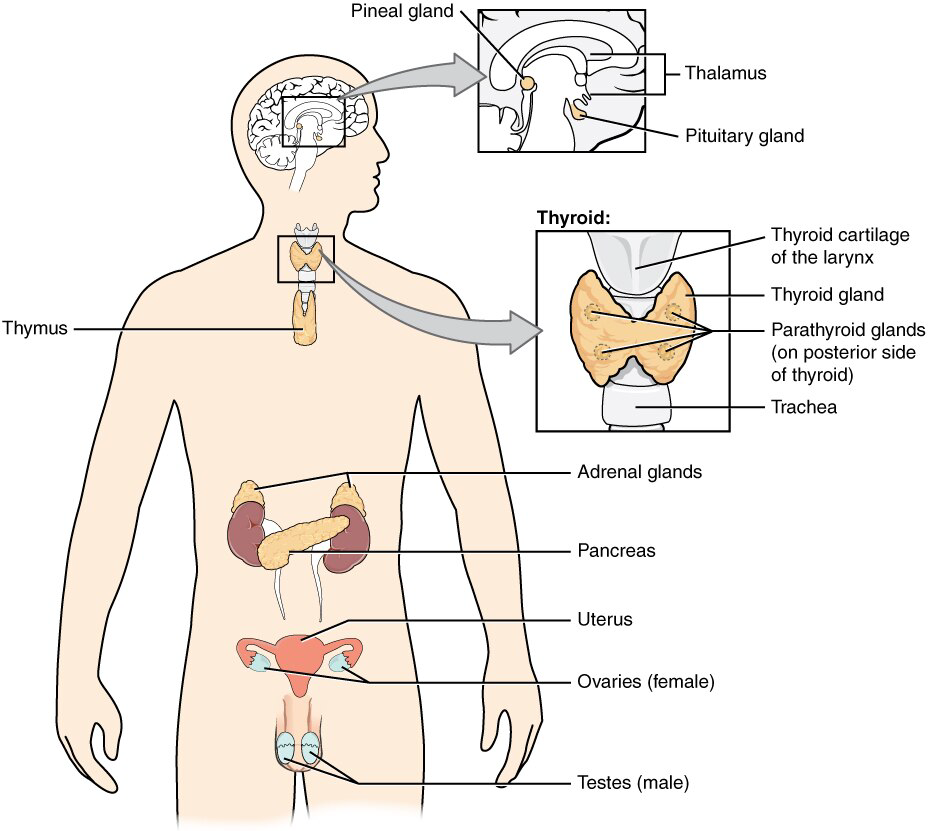
The endocrine system is a network of glands and organs that produce hormones, chemical messengers that regulate essential bodily functions such as growth, metabolism, reproduction and mood. Unlike electrical impulses that travel along nerves, hormones move through the bloodstream, allowing them to influence cells and organs throughout the body (Hiller-Sturmhöfel et al., 1998).
Communication Pathways: Circulatory System and Lymph Nodes
The endocrine system relies on the cardiovascular system—the heart, blood vessels, and circulating blood—as its primary communication network. When glands release hormones, these chemical messengers enter the bloodstream, where they are distributed throughout the body to reach target cells and tissues. This vascular transport allows hormones to act on distant organs, enabling coordinated responses across multiple systems simultaneously.
In addition to the cardiovascular system, the lymphatic system—including lymph nodes and lymphatic vessels—also plays a role in endocrine communication. Some hormones and immune-endocrine interactions occur through lymphatic pathways, particularly in processes involving inflammation, immune responses, and tissue repair. The heart itself also functions as an endocrine organ, producing hormones such as atrial natriuretic peptide that influence blood pressure and fluid balance (Zhao & Pei, 2020). Together, these circulatory networks ensure that hormonal signals reach their intended destinations, maintaining the body's internal coordination and responsiveness.
Key Components of the Endocrine System
- Glands: Specialized tissues (e.g., the pituitary, thyroid, adrenal glands) that synthesize and release hormones.
- Hormones: Chemical messengers that instruct cells on how to behave, enabling coordination across distant parts of the body.
- Circulatory System: The bloodstream serves as the transport network that carries hormones to their target tissues.
- Regulatory Mechanisms: Feedback loops, especially those involving the hypothalamus and pituitary gland, monitor hormone levels and ensure balance (homeostasis).
1. Central Regulators: Hypothalamus and Pituitary
At the core of the endocrine system are two closely linked structures within the brain: the hypothalamus and the pituitary gland. The hypothalamus monitors the body's internal conditions—such as temperature, stress, and energy needs—and sends signals to the pituitary, which in turn directs many of the body's hormone-producing glands. Because of this central role, these two structures act as the command center that keeps the rest of the system aligned and responsive (Fliers et al., 2014).
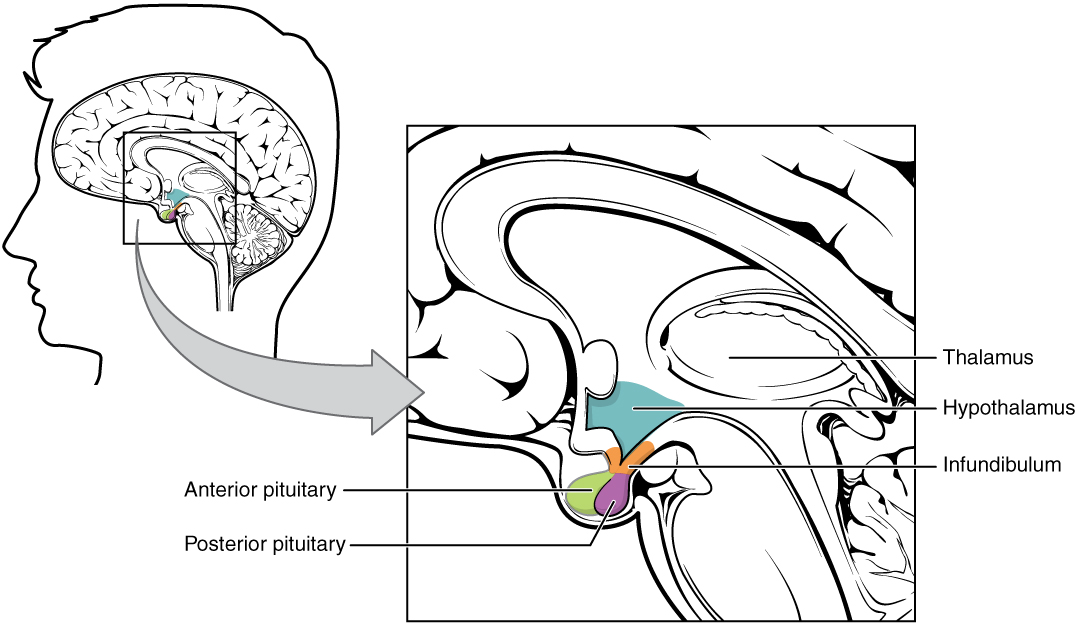
2. Energy and Stress Systems: Thyroid and Adrenal Glands
The thyroid and adrenal glands help regulate how the body manages energy and responds to challenges.
The thyroid gland influences how quickly cells use energy, shaping metabolism, mood, and overall vitality.
The adrenal glands, perched above the kidneys, release hormones that prepare the body to react to physical or emotional stress. These glands adjust blood pressure, energy availability, and alertness, helping us adapt to both immediate demands and long-term pressures (Fliers et al., 2014).
3. Growth and Metabolic Balance: Pancreas and Related Hormonal Pathways
The pancreas plays a crucial role in maintaining stable blood sugar levels, ensuring that the body has a steady supply of energy. Through its hormonal secretions, it helps balance how much glucose is stored and how much is released into the bloodstream.
Other hormones, such as those involved in growth and tissue repair, contribute to the body's development and long-term structural health, forming a metabolic support system that sustains physical functioning over time (Fliers et al., 2014).
4. Reproductive Regulation: Ovaries and Testes
The reproductive glands—ovaries in females and testes in males—produce hormones that shape reproductive cycles, sexual development, and fertility. Beyond reproduction, these hormones also influence bone density, muscle strength, mood, and aspects of behavior. Their effects are broad, reaching far beyond the reproductive system itself.
5. Systems of Balance: Parathyroid and Other Regulatory Glands
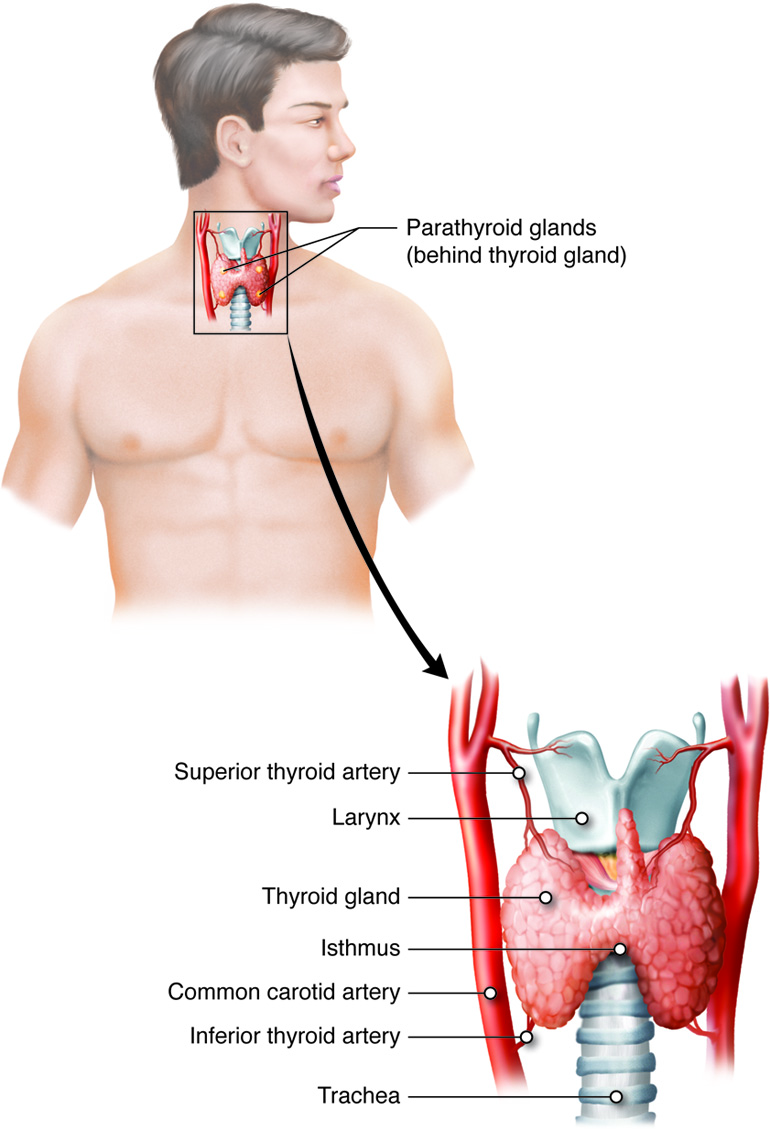
Certain glands are dedicated to maintaining precise internal balances. The parathyroid glands, for example, regulate the body's calcium levels, which are essential for nerve function, muscle contraction, and bone health. These glands act quietly but continuously, ensuring that critical chemical levels remain within safe and functional ranges.
Although each group serves its own purpose, the endocrine system operates as a coordinated network, with hormones from one region influencing the behavior of another. This interdependence creates a dynamic balance in which the body can respond to stress, sustain energy, grow, reproduce, and maintain stability.
The most sophisticated examples of this coordination are the hormonal axes—integrated pathways where the hypothalamus, pituitary, and target glands work together in feedback loops. Two particularly important axes for mental health and overall wellbeing are the Hypothalamic-Pituitary-Adrenal (HPA; Herman et al., 2016) axis, which governs stress response, and the Hypothalamic-Pituitary-Thyroid (HPT; Ittermann et al., 2015) axis, which regulates metabolism and energy. Understanding these functional groups lays the foundation for exploring how these axes influence mood, cognition, and psychological health in the articles that follow.
References
- Fliers, E., Kalsbeek, A., & Boelen, A. (2014). MECHANISMS IN ENDOCRINOLOGY: Beyond the fixed setpoint of the hypothalamus–pituitary–thyroid axis. European journal of endocrinology, 171(5), R197-R208.
- Herman, J. P., McKlveen, J. M., Ghosal, S., Kopp, B., Wulsin, A., Makinson, R., ... & Myers, B. (2016). Regulation of the hypothalamic‐pituitary‐adrenocortical stress response. Comprehensive physiology, 6(2), 603-621.
- Hiller-Sturmhöfel, Susanne, and Andrzej Bartke. "The endocrine system: an overview." Alcohol health and research world 22.3 (1998): 153.
- Ittermann, T., Völzke, H., Baumeister, S. E., Appel, K., & Grabe, H. J. (2015). Diagnosed thyroid disorders are associated with depression and anxiety. Social psychiatry and psychiatric epidemiology, 50(9), 1417-1425.
- Zhao, J., & Pei, L. (2020). Cardiac endocrinology: heart-derived hormones in physiology and disease. Basic to Translational Science, 5(9), 949-960.