Perception - Olfactory
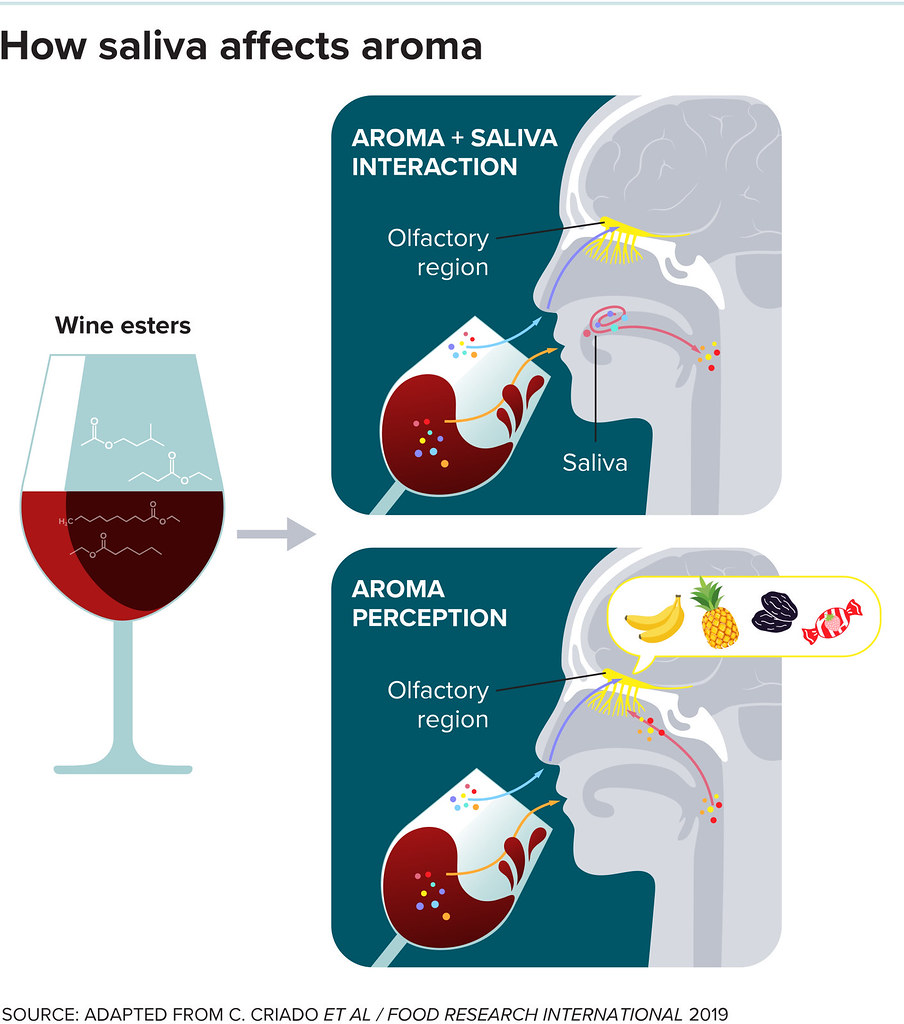
From waves to chemicals, our senses convert the world into signals the brain can understand. The olfactory system detects chemical clues in the air. When we breathe in through the nose, tiny receptors respond to these chemicals and send messages to the brain. The mouth plays its part in taste, where chemicals dissolve in saliva before activating taste buds (Olezkiewicz et al., 2025).
Alongside the nose's role in smell, we should note the sinuses – small, air-filled cavities in the bones of the skull. Humans have four pairs of sinuses located around the nose and eyes. They help absorb shocks to the face, protect against temperature changes, and support immune defense.
Nose
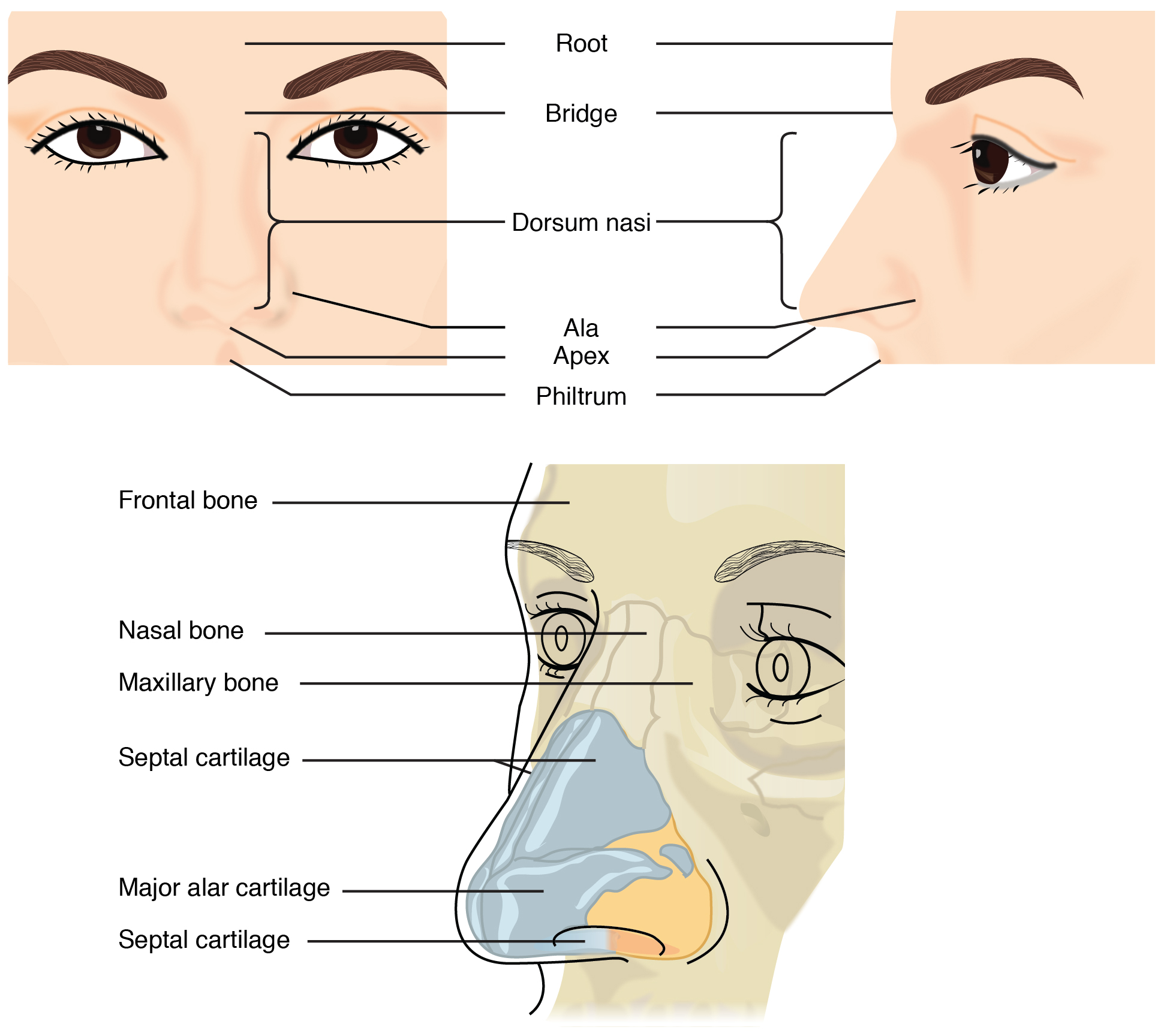
The nose is mainly comprised of 2 main regions:
- External nose – The visible facial structure that contributes to vocal resonance, air circulation, and filtration.
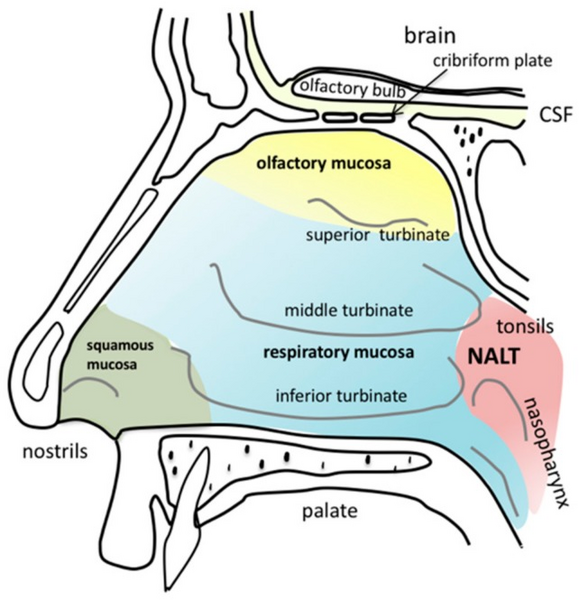
- Nasal cavity – The internal space of the nose, divided into two chambers by the septum (the cartilage between the nostrils). Each chamber is lined with a thin, moist layer called mucosa, which traps and removes unwanted particles while humidifying the air (Kelly et al., 2000).
Deep inside, the nose contains olfactory structures in a narrow area called the olfactory cleft. Here, odorant receptors bind to tiny airborne molecules. Because these receptors vary genetically, people can detect a huge variety of smells (Mori et al., 2006). The olfactory system also adapts quickly: when exposed to a smell for a while, the receptors become less sensitive. Smell also interacts with other senses, linking strongly to taste, vision, and memory.
Tongue
The tongue is specialized for taste. It features various papillae (small bumps) and taste buds. Taste receptor cells are categorized into types: Type I cells offer glial-like support; Type II cells use G-protein-coupled receptors for sweet, bitter, and umami; and Type III cells are presynaptic structures that release neurotransmitters (Kikut-Ligaj & Trzcielińska-Lorych, 2015).
Smell and taste work through different systems but join forces in the brain to create the overall experience of flavor. This combined perception also includes texture, temperature, and past experience.
Example of Olfactory Illusions
Phantosmia: This involves perceiving smells that aren't actually in the environment.
Intersensory Effects: Olfaction is closely linked with other senses, particularly taste and vision. Intersensory effects can lead to olfactory illusions, such as misidentifying the flavor of food based on its smell.
A well-known example from the flavor industry: methyl anthranilate, a compound from orange blossoms, is used to create an artificial grape flavor.
References
- Kelly, J. T., Prasad, A. K., & Wexler, A. S. (2000). Detailed flow patterns in the nasal cavity. Journal of applied physiology, 89(1), 323-337.
- Kikut-Ligaj, D., & Trzcielińska-Lorych, J. (2015). How taste works: cells, receptors and gustatory perception. Cellular and Molecular Biology Letters, 20(5), 699-716.
- Mori, K., Takahashi, Y. K., Igarashi, K. M., & Yamaguchi, M. (2006). Maps of odorant molecular features in the mammalian olfactory bulb. Physiological reviews, 86(2), 409-433.
- Oleszkiewicz, A., Croy, I., & Hummel, T. (2025). The impact of olfactory loss on quality of life: a 2025 review. Chemical Senses, 50, bjaf023.
Images for this article were collected from Wikimedia Commons and Flickr. Images were slightly edited for use.